Gynecomastia Surgery in Dunwoody,
Sandy Springs & North Atlanta
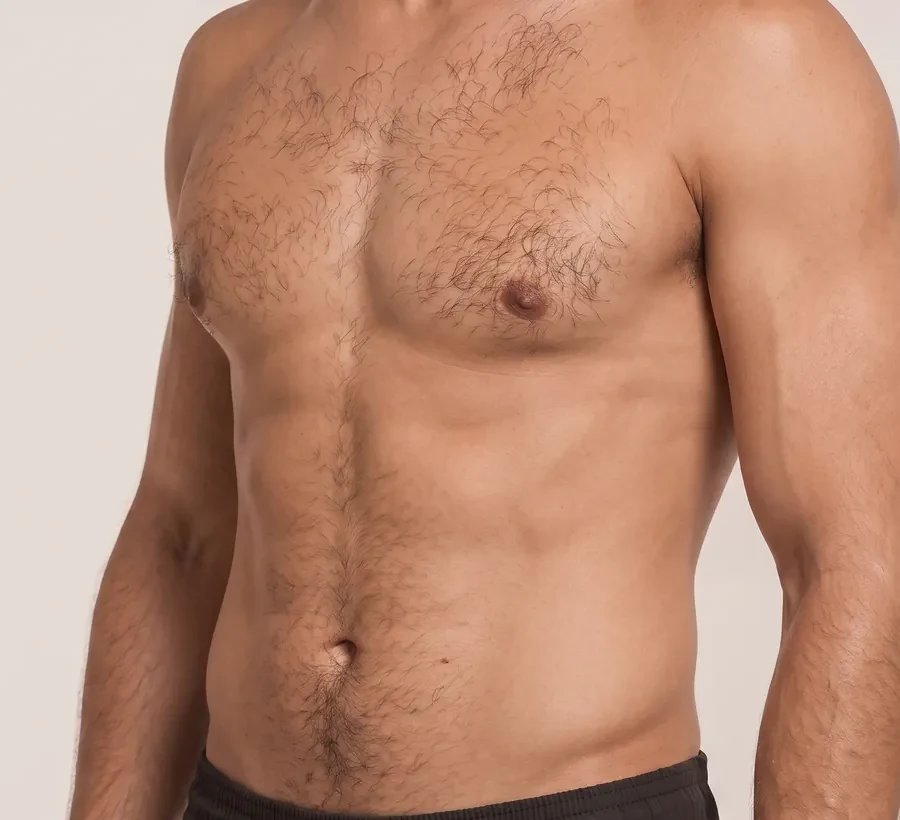
Gynecomastia is glandular breast tissue in men — firm tissue beneath the nipple, not fat. That distinction decides the operation, and it is the first thing an examination establishes.
Gland or Fat — They Are Not the Same Problem
Gynecomastia is the growth of excess glandular tissue, usually with fat alongside it. It is not medically harmful, but it changes how a chest looks in a shirt and how a man feels taking one off.
True gynecomastia is firm glandular tissue beneath the nipple. Chest fat alone — sometimes called pseudogynecomastia — is fatty tissue with no glandular enlargement. They feel different on examination, they respond differently to diet and exercise, and they need different surgery. Establishing which you have is the first thing Dr. Stephenson does.
Where it comes from
Hormonal imbalance, certain medications, weight change, steroid use, or simple genetics. In practice it presents in five recognisable ways: during puberty, where tissue often regresses on its own and persistent cases need treatment; in bodybuilders, linked to steroids and hormones that disturb the hormonal balance; after weight gain and loss, which can leave glandular tissue and loose skin that will not respond to more dieting; in older men, through hormonal change; and medically, from medications or conditions such as liver disorders.
The Four Grades
Gynecomastia is graded on how much tissue there is and how much the skin has stretched. The grade decides the approach — particularly whether skin has to be addressed as well as tissue.
Grade 1
Minor enlargement, with no excess skin.
Grade 2a
Moderate enlargement, with no skin redundancy.
Grade 2b
Moderate enlargement, with minor skin redundancy.
Grade 3
Significant enlargement with excess skin, often resembling a female breast.
The operation
Two small, inconspicuous incisions allow liposuction to address the fatty component. The gland itself cannot be removed by liposuction — an excision is required — and that incision is placed just inside the border of the areola, between five and eight o’clock, where the change in skin colour hides it. Where the chest folds allow, incisions are placed in them instead.
Scars
Careful placement and refined suturing mean most scars are close to invisible once healed. Compression garments and scar management guidance afterwards reduce them further.
Cost and insurance
Gynecomastia surgery is quoted at consultation, because the plan depends on the grade and on how much of the problem is glandular. Most insurers do not cover it unless it relates to a severe medical condition, and it is worth checking with your own provider. The practice is not contracted with any insurer and does not preauthorize or bill insurance; financing options are available.
What Recovery Looks Like
Quicker than most surgery of this scale, with one firm limit worth respecting.
| Stage | Guidance |
|---|---|
| Normal activities | Most patients within a few days. |
| Compression vest | Worn for several weeks, to support healing and hold the new contour. |
| Back to work | No later than a week, provided the job does not involve straining or heavy lifting. Many patients work from home three to four days after surgery. |
| Exercise | A minimum of four weeks. Starting earlier risks bleeding, or fluid collecting beneath the skin — a seroma. |
| Swelling | Increases after surgery and peaks around five to six days, then subsides rapidly and afterwards gradually. It will seem gone at one month but continues reducing at three and six months, and subtly out to a year. |
| The night of surgery | Dr. Stephenson calls you personally, and gives you his cell number and email so you can reach him directly. |
What Can Go Less Than Perfectly
These are the practice’s own answers, and they are more candid than most pages on this subject. They are here rather than buried in an FAQ because they are what you actually need before deciding.
- Contour irregularity is the real risk. It is likeliest where significant liposuction is needed — particularly in the underarm area — and the skin is not tight enough to redrape smoothly.
- The commonest complaint is a depression beneath the areola when raising the arms overhead. Most men never notice it, and those who do generally weigh it against an improvement that is far larger.
- Revision is asymmetric. Removing more tissue later is straightforward. Correcting a depression or an irregularity is considerably harder — which is the argument for planning the first operation carefully rather than aggressively.
- Whether it can return depends on what it was. If your gynecomastia was mainly glandular, weight gain will not bring it back. If it was mainly fat, weight gain will.
Before & After
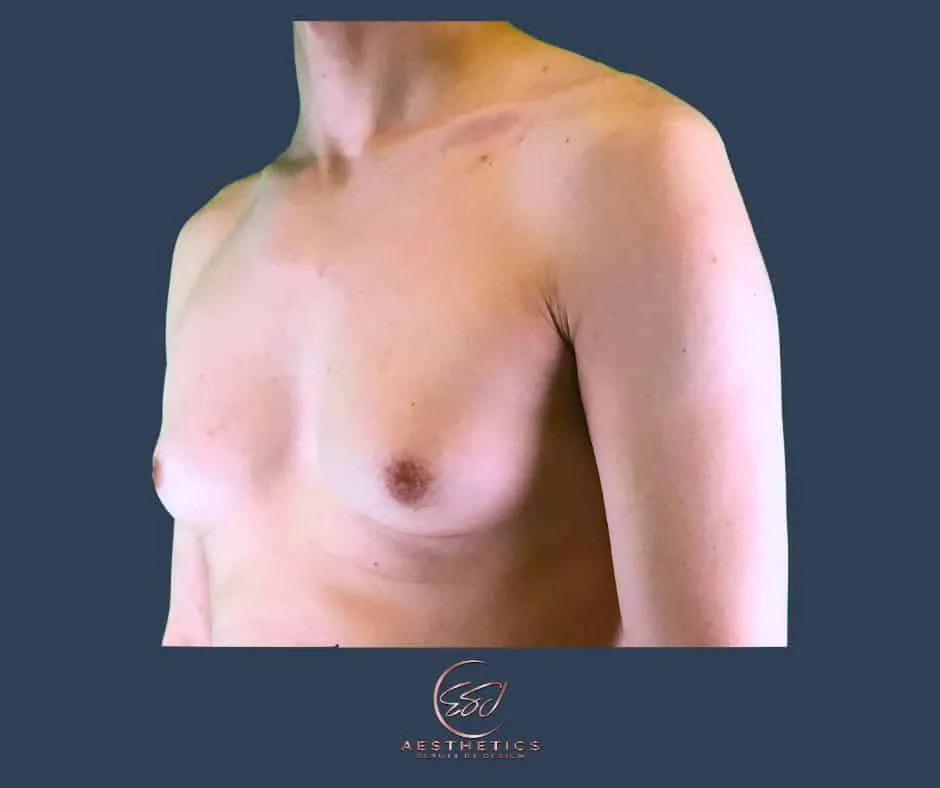
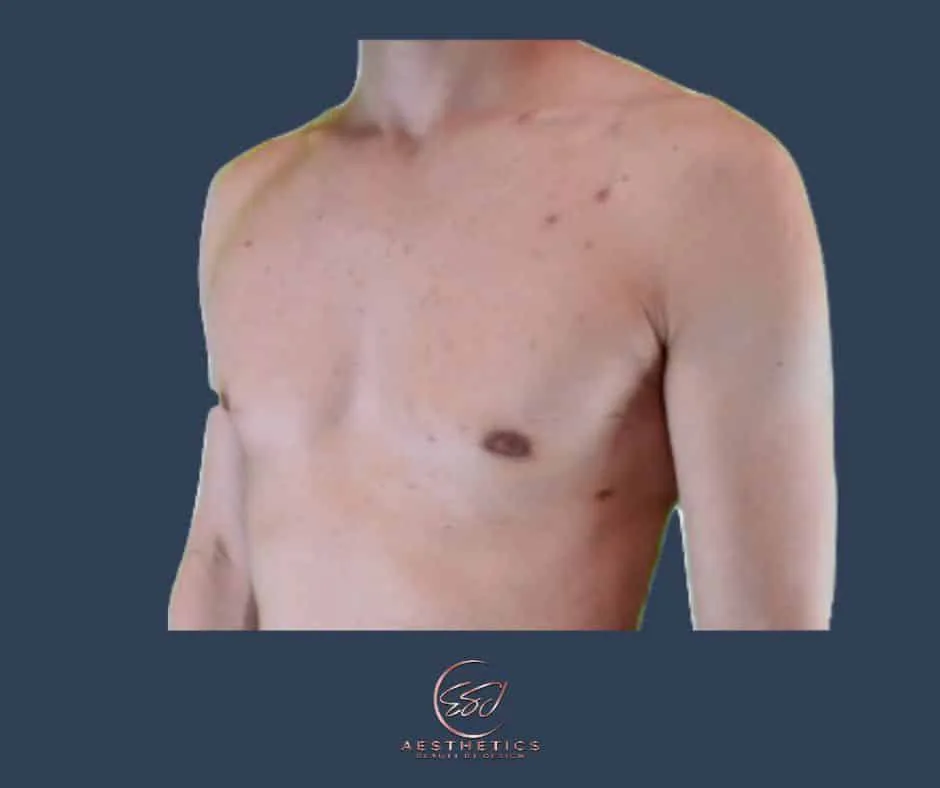
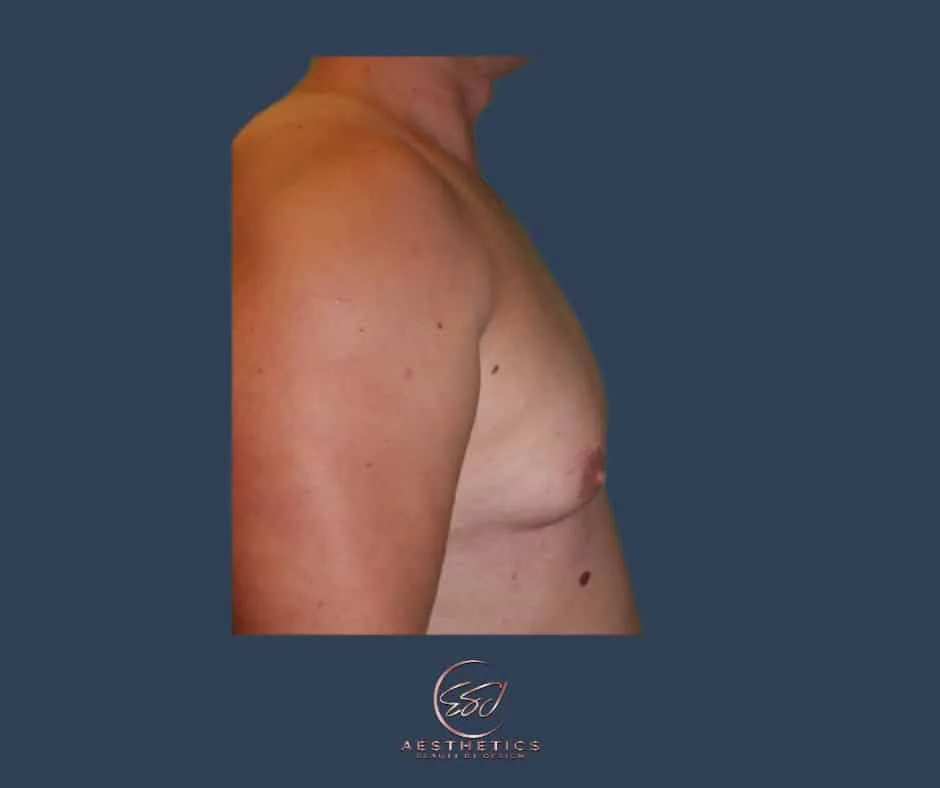
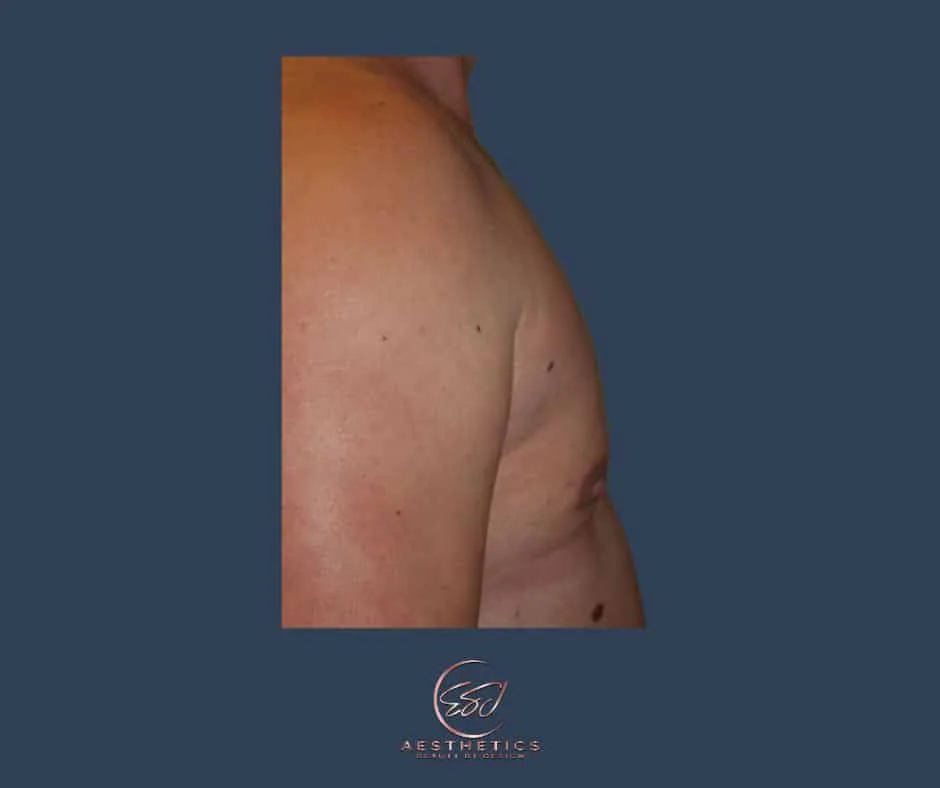
Photographs are of actual patients of ESJ Aesthetics, published with their consent. Results vary from patient to patient.
Gynecomastia FAQs
How do I know whether I have gynecomastia or just chest fat?
True gynecomastia involves firm glandular tissue beneath the nipple. Chest fat — sometimes called pseudogynecomastia — is fatty tissue without glandular enlargement. Dr. Stephenson establishes which you have by examination, and the answer changes the operation.
Will there be scars?
Liposuction is done through two inconspicuous incisions. Removing the gland itself requires an excision, and that incision is placed just inside the border of the areola, between five and eight o'clock. Careful closure means most healed incisions are very difficult to see.
What are the downsides of gynecomastia surgery?
Contour irregularity, principally. It is likeliest where significant liposuction is required — especially in the underarm area — and the skin is not tight enough to redrape smoothly. The commonest issue men report is a depression beneath the areola when raising the arms overhead. Most do not notice it and are highly satisfied; where it is noticed, the overall improvement is usually large by comparison.
If I gain weight afterwards, will it come back?
It depends on what caused it. If your gynecomastia was mainly enlargement of the gland, weight gain will not bring it back. If it was mainly excess fat, weight gain will.
Can the procedure be redone later?
Yes, particularly where the goal is to remove additional tissue. Correcting depressions or irregularities is more difficult, which is the reason for assessing and planning the first operation carefully rather than aggressively.
How soon can I go back to work?
It is individual, but provided your work does not involve straining or heavy lifting you can expect to be back no later than a week. Some patients return sooner, and many work from home three to four days after surgery.
When can I exercise again?
Wait a minimum of four weeks, to be sure everything has healed. Starting much earlier risks bleeding or a seroma — fluid collecting beneath the skin. When you do start, listen to your body; you will be a little out of condition, but you will get back quickly.
How long does the swelling last?
It increases after surgery and usually peaks around five to six days, then subsides — rapidly at first, then gradually. At one month you will think it has gone, but it continues to reduce at three months, at six, and subtly out to a year.
Will I hear from Dr. Stephenson after surgery?
He calls you personally on the night of your surgery, and gives you his cell number and email address so you can reach him directly if you need to.
Does insurance cover gynecomastia surgery?
Most insurers do not, unless the gynecomastia relates to a severe medical condition, so it is worth checking your own coverage. Dr. Stephenson is not contracted with any insurance company, and the practice does not preauthorize or bill insurance. Financing and payment options are available.
Further Reading

Discuss Your Options
An hour with Dr. Stephenson, an examination, and a written quote for the plan you agree together.