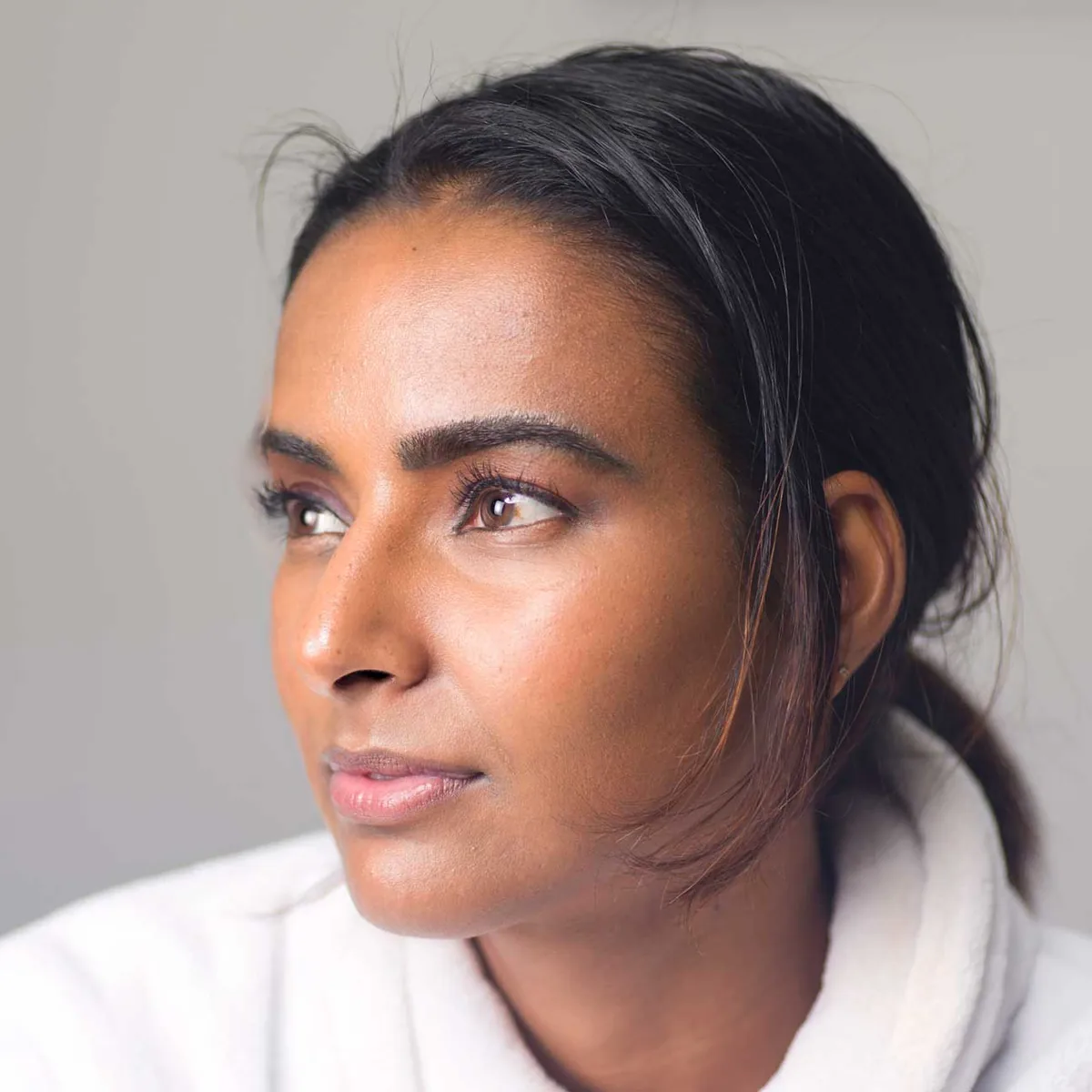
Brow Lift Surgery in Dunwoody,
Sandy Springs & North Atlanta
A brow lift raises the position of the eyebrows and softens forehead lines. The height and arch of the brow set the expression the rest of the face is read against — which is why a small change here carries further than most.
What a Brow Lift Addresses
Also called a forehead lift. It raises the brow, repositions the tissue behind it, and softens the lines that come with years of holding the forehead up.
- A low or flat brow — which can read as anger or intensity that you do not feel.
- Loss of the natural arch — brow position is part of how the whole face is read.
- Forehead lines — particularly the horizontal lines that come from lifting the brow to compensate.
- Drooping at the outer third of the brow — often the first part to descend.
- Crow’s feet — addressed by lifting the outer brow, in the temporal approach.
- A heavy-looking upper eye — where the brow, not the eyelid, is what has descended.
A brow lift reduces the frown lines between the brows but does not eliminate them. BOTOX® Cosmetic can be effective for those specifically.
Techniques & How the Plan Is Built
Brow lifts differ mainly in where the incision sits and how much elevation it allows. That trade-off — access against scar — is the whole decision.
Endoscopic
Several small incisions hidden in the hairline, with an endoscope guiding the lift. Minimal scarring and a shorter recovery. Suits subtler change.
Temporal
Also called a lateral brow lift. Raises the outer third of the brow, which is usually the first part to descend, and softens crow’s feet.
Coronal
The traditional approach. One incision hidden in the hairline from ear to ear lifts the whole forehead. For significant sagging and deep forehead lines.
Pretrichial
As the coronal approach, but with the incision just in front of the hairline. For high foreheads — it lifts the brow while lowering the hairline slightly.
The limited open brow — what Dr. Stephenson most often recommends
Alongside the four above there is a fifth option, and it is the one he reaches for most: a limited open brow lift. It takes what the endoscopic and open approaches each do well and combines them, through an incision that is well hidden and of modest length. He recommends it often, for its versatility.
Choosing between them
Most surgeons prefer the endoscopic approach for its easier recovery and better scars. But the choice is not always open: patients who want or need more significant brow elevation will most likely require an open approach. Open approaches can involve more swelling, a scar, and an increased chance of scalp numbness. Which applies to you is settled by examination, not by preference in the abstract.
Brow lift or eyelid surgery?
They are frequently confused, and they address different things. A brow lift raises the brow and softens forehead lines. Blepharoplasty addresses excess skin and fat around the eyelids themselves. Where the upper eye looks heavy, the question is which of the two has actually descended — and sometimes it is both, in which case combining the procedures gives the more complete result. Brow lifts also often accompany facelifts, rhinoplasty, and ear surgery.
Anesthesia, and a natural result
The procedure is most comfortable under general anesthesia, supplemented with local anesthesia for lasting pain relief afterwards. On the result itself: an overly high brow is a tell-tale sign of surgery, and avoiding it is the point of the planning.
Cost and insurance
The cost depends on the technique, the extent of the procedure, and factors particular to you. Dr. Stephenson sets out a detailed breakdown at your consultation, and our Patient Coordinator prepares a written quote for the plan you agree. Insurance rarely covers a brow lift, and only where there is a documented visual field obstruction; in most cases it is paid for privately. Pricing and financing options are set out in full.
Who May Be a Candidate
The question is not your age. It is whether the brow has descended far enough that lifting it would make a difference worth having.
- Brow position, not age. There is no ideal age — the procedure becomes worth considering when the brow is low enough for it to be beneficial.
- What is actually descending. A heavy upper eye may be the brow, the eyelid, or both, and the answer changes the operation.
- How much elevation you need determines which technique is available to you, and therefore what the scar and recovery look like.
- Your general health. Full disclosure of your medical history is essential to assessing surgical risk accurately.
- Weighing risk against benefit. Dr. Stephenson will assess your appearance and help you decide, taking in cost, risk, and recovery together.
Our practice guideline is to accept patients with a BMI of 33 or below, as higher BMI is associated with conditions that increase surgical risk. Candidacy is confirmed at consultation.
What Recovery Looks Like
Recovery varies with the technique used. You will be given detailed post-operative instructions.
| Stage | Guidance |
|---|---|
| Pain | There is swelling and soreness, but pain is not significant. |
| Swelling | Increases after surgery and peaks around 5 to 6 days, then subsides — rapidly at first, then gradually. It will seem gone at one month, but continues to reduce at three and six months, and subtly out to a year. |
| Stitches | Removed about five days after surgery. |
| Back to work | About 7 to 10 days. |
| Normal activities | Generally 10 to 14 days. |
| Showering | Two days after surgery. Wait about two weeks before taking a bath. |
| Walking | Light walking is beneficial from the day of surgery. |
| Driving | Once you are off all narcotic pain medication and unrestricted by discomfort. Dr. Stephenson recommends waiting two weeks. |
| Exercise | Four weeks. Exercise means anything that raises your heart rate or blood pressure — breathing hard, straining, or sweating. |
| Bending over | Avoid anything that increases pressure in the face for several weeks after surgery. |
| Sex | As you feel comfortable; most patients around fourteen days. |
| Flying home | Ten days after surgery, or seven where a colleague near you can remove the last sutures. |
Contact us immediately if one side of your face or forehead suddenly swells and becomes painful. That can indicate a hematoma — swelling caused by bleeding — which sometimes requires a return to the operating room. It can happen in the first few days after surgery, and there is a second peak at around ten days to two weeks, when you may otherwise assume you are past it.
Tell the office about swelling around the incision with any drainage. That can indicate infection. Dr. Stephenson will examine you and prescribe antibiotics if they are needed.
No special garments are needed. The incisions need gentle cleaning during recovery and nothing more. Fuller recovery planning — time off work, driving and flying, and swelling and bruising support — is set out on our Patient Resources page.
Often Considered Alongside
Eyelid Surgery
The lids themselves, rather than the brow above them. Where the upper eye looks heavy, one of the two is usually the real answer.
Read more →Facelift & Neck Lift
The face from the upper cheeks down. Brow lifts frequently accompany one.
Read more →Ear Contouring
Otoplasty, which is among the procedures commonly performed at the same sitting as a brow lift.
Read more →BOTOX® Cosmetic
For the frown lines between the brows, which surgery reduces but does not eliminate.
Read more →Brow Lift FAQs
Is there an ideal age for a brow lift?
It is not about age. It is about whether the brow has descended far enough that the procedure would be beneficial.
What factors should I consider when deciding on a brow lift?
As with any surgery, it comes down to weighing the risks against the benefit. Dr. Stephenson will assess your appearance and help you decide, taking in the improvement you could expect alongside the cost, the risks, and the recovery.
What is the difference between an endoscopic and an open brow lift?
An endoscopic brow lift uses small incisions hidden in the hair. A traditional open brow lift uses a longer incision, typically in front of the hairline. There is also a limited open brow lift, which takes the advantages of both through an incision that is well hidden and of modest length.
How do I choose between them?
Most surgeons prefer the endoscopic approach for its easier recovery and better scars, but the choice is not always open — patients wanting or needing more significant brow elevation will most likely require an open approach. Dr. Stephenson often recommends the limited open brow lift, because of its versatility.
How do results and recovery differ between the two?
Open approaches can involve more swelling, a scar, and an increased chance of scalp numbness.
Will a brow lift eliminate the frown lines between my eyes?
It reduces them but does not eliminate them. BOTOX® Cosmetic can be effective in treating those lines specifically.
Will a brow lift make me look pulled and tight?
An overly high brow is a tell-tale sign of surgery, and avoiding it is the point of the planning. Dr. Stephenson works to a natural brow position rather than a maximal one.
What anesthesia is used?
The procedure is most comfortable under general anesthesia, supplemented with local anesthesia for lasting pain relief afterwards.
What can be done at the same time as a brow lift?
Brow lifts often accompany facelifts, eyelid surgery, rhinoplasty, or otoplasty.
How can scarring be prevented?
Brow lift scars are hidden in the hairline and are usually invisible. They need no specific care beyond gentle cleaning during recovery, and no special garments are required.
What should I be cautious of during recovery?
Two things. A hematoma — swelling caused by bleeding — which shows as one side of the face or forehead suddenly swelling and becoming painful; contact Dr. Stephenson immediately if that happens, as it can require a return to the operating room. It can occur in the first few days, and again at around ten days to two weeks. The second is infection: report swelling around the incision with any drainage, and he will examine you and prescribe antibiotics if needed.
Does insurance cover a brow lift?
Rarely, and only where there is a documented visual field obstruction. In most cases patients cover the cost themselves.
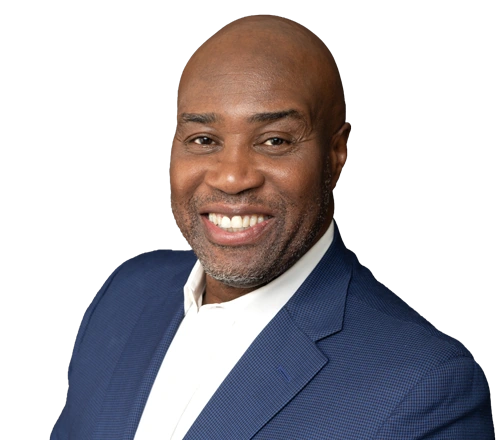
Discuss Your Options
An hour with Dr. Stephenson, an examination, and a written quote for the plan you agree together.